
Nous utilisons des cookies pour améliorer votre expérience, analyser le trafic et personnaliser les contenus. Vous pouvez accepter, refuser ou personnaliser vos préférences à tout moment.

    Aller au contenu
    LIVRAISON OFFERTE EN POINT RELAIS DÈS 39 €
    Garlic Confit in Olive Oil: Recipe, Storage and Safety
    Retour au journal
    Recettes 10 min de lecture30 juin 2026

    Garlic Confit in Olive Oil: Recipe, Storage and Safety

    Soft as butter, sweet as caramel — garlic confit in olive oil is one of the great treasures of Mediterranean cooking. As long as you know the storage rules — and this is serious.

    Par TUZZO

    Garlic Confit in Olive Oil: Recipe, Storage and Safety

    Garlic confit in olive oil transforms a sharp clove into a melting, hazelnut-and-caramel paste. It's one of the most versatile condiments out there: spread on toast, whipped into mashed potatoes, stirred into vinaigrette, tossed with pasta. And the perfumed oil left behind is a treasure in its own right.

    But beware: garlic confit kept at room temperature is one of the leading domestic causes of foodborne botulism. Raw garlic carries spores of Clostridium botulinum which, in an anaerobic environment (oil) at room temperature, can produce a deadly neurotoxin. This article shows you how to make it safely.

    Ingredients (for one 250 ml jar)

    • 4 heads of fresh garlic (≈ 50-60 cloves), ideally pink Lautrec garlic or purple Cadours garlic
    • 250 ml extra virgin olive oil of good quality, medium or ripe fruity
    • 2 sprigs fresh thyme (optional)
    • 1 bay leaf (optional)
    • 5 black peppercorns (optional)

    No salt: it speeds up oil oxidation and doesn't penetrate the clove. The quality of the extra virgin oil is essential here: it flavors the cloves and becomes the recipe's most precious by-product.

    Oven method (the safest)

    1. Preheat oven to 120°C / 250°F (static heat). This temperature is critical: under 100°C, spores survive; at 120°C, you stay in the "confit" zone and pasteurize them.
    2. Peel the cloves (tip: 30 seconds in boiling water then ice water, skins slip off).
    3. Arrange cloves in a small ceramic dish, single layer. Pour olive oil to cover completely (critical: no clove should poke out). Add herbs and pepper.
    4. Cook 45 to 60 minutes: cloves should be golden tender, never brown (otherwise bitter).
    5. Let cool in the oil off the heat.

    See also our guide on olive oil cooking temperatures: at 120°C you're well below the 200-210°C smoke point of a quality extra virgin.

    Stovetop method (faster, 25 minutes)

    1. Place peeled cloves in a small saucepan with oil to cover.
    2. Heat on very low, just enough to see a few lazy bubbles (90-100°C max).
    3. Confit 20-25 minutes, stirring gently. Cloves should be tender but keep their shape.
    4. Remove from heat, cool in the oil.

    Storage — non-negotiable rules

    Botulism risk: garlic confit in oil creates an anaerobic environment ideal for C. botulinum. Spores are NOT destroyed by gentle cooking. The rules:

    MethodMax durationSafety
    Refrigerator (4°C)1 week maximumOK
    Freezer (-18°C)3 monthsOptimal (recommended)
    Room temperatureNEVERDeadly risk

    Freezing trick: pour the confit (cloves + oil) into a silicone ice cube tray. Once frozen, transfer cubes to a bag. Grab one or two on demand. That's the professional method.

    For storing your base olive oil, see our dedicated guide.

    Warning signs: don't eat if...

    • Oil turns cloudy or shows bubbles
    • Acrid, rancid or "old cheese" smell
    • Abnormal color (pink, gray, greenish)
    • Jar "pops" on opening (gas)

    When in doubt: trash it. Botulinum toxin is odorless, tasteless, and survives normal cooking; only prolonged boiling (>10 min at 85°C+) destroys it.

    10 ways to use garlic confit

    1. Smashed on toast with flaky salt — the ultimate alternative to bruschetta
    2. Melted into mashed potatoes
    3. In a homemade vinaigrette (1 crushed clove per 4 tbsp oil)
    4. Spread in a grilled cheese or panini
    5. Tossed with spaghetti (mild version of aglio e olio)
    6. Folded into hummus (see authentic hummus recipe)
    7. On a pizza or focaccia just out of the oven
    8. Whisked into mayo for instant aioli
    9. Slipped under the skin of a roast chicken
    10. In a fish marinade (see lemon-oil marinade)

    Bonus: the perfumed oil

    The oil left behind in the jar is aromatic, golden, infused. Use it on steamed vegetables, in vinaigrette, on fried eggs, for bread dipping. Same storage rules as the garlic: fridge 1 week, or freezer.

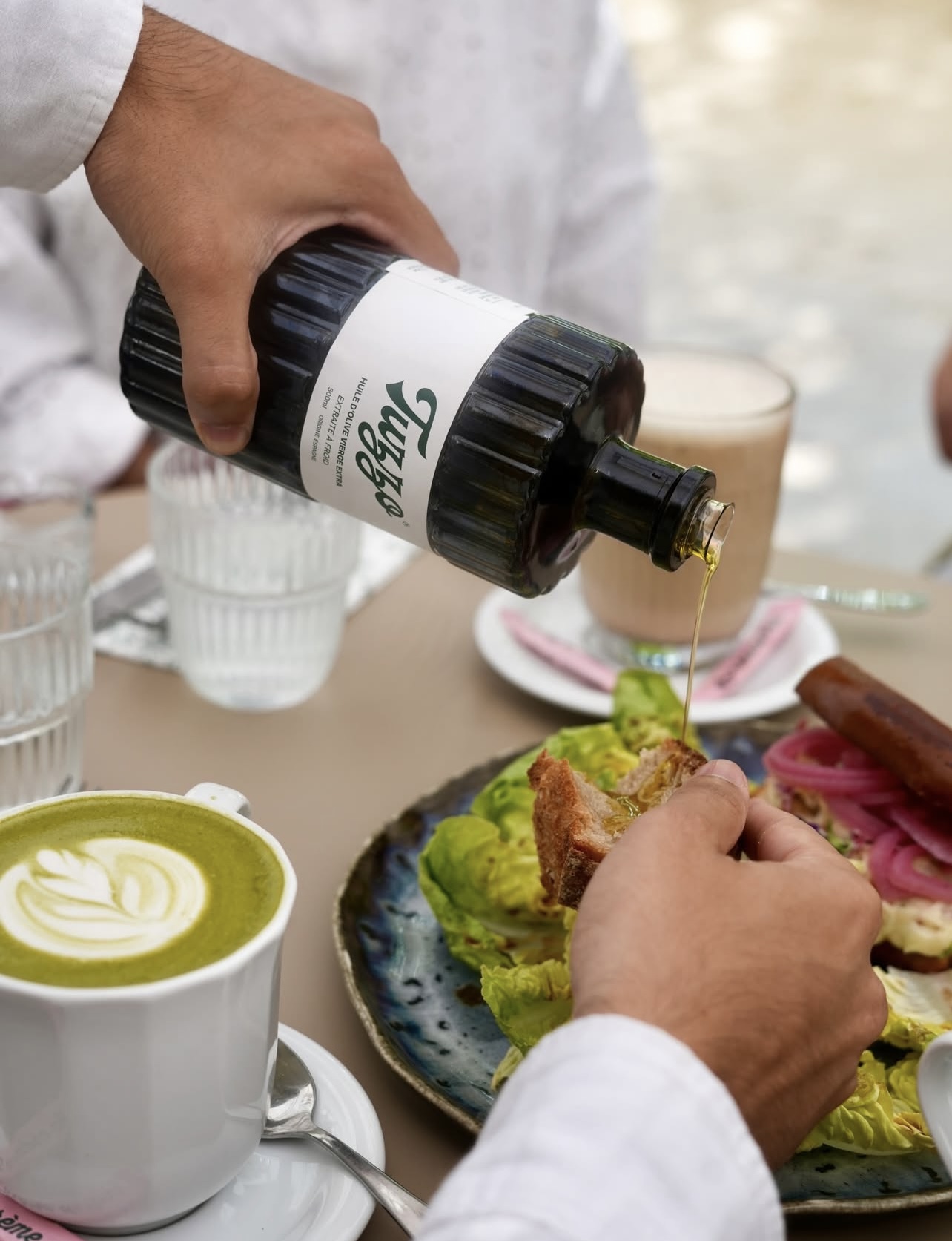
    For this recipe choose a quality extra virgin olive oil — cheap oil makes flat confit. Our Tuzzo Original cold-pressed Mediterranean profile is perfect: round enough to soften, fruity enough to perfume.

    Garlic confit and health

    Gently cooked garlic keeps much of its allicin and beneficial sulfur compounds for the cardiovascular system. Combined with the polyphenols in the oil, it's a duo of the Mediterranean diet, associated with lower LDL cholesterol and reduced inflammation. Count ~45 kcal per teaspoon of confit (oil + 1 clove).

    Quick FAQ

    • Can I use jarred garlic? No — store-bought jarred garlic is preserved in acid brine that inhibits C. botulinum. You must start with raw fresh garlic.
    • Does vinegar make storage safe? Acidifying cloves (pH < 4.6) before confit yes, but it changes the taste entirely. Simplest solution remains fridge or freezer.
    • My oil solidifies in the fridge, is that normal? Yes — and it's actually a sign of quality! Extra virgin oil naturally solidifies between 4 and 10°C. Take the jar out 15 min before use.

    Go further

    Garlic confit is three ingredients and one rule: never at room temperature. Get that right and you have one of the great Mediterranean condiments — plus a treasure of perfumed oil as a bonus.

    Pour sublimer vos assiettes, nous utilisons notre huile d'olive Coratina des Pouilles, pressée à froid et biologique.

    Explorer Tuzzo

    Pour aller plus loin

    Partager l'article