
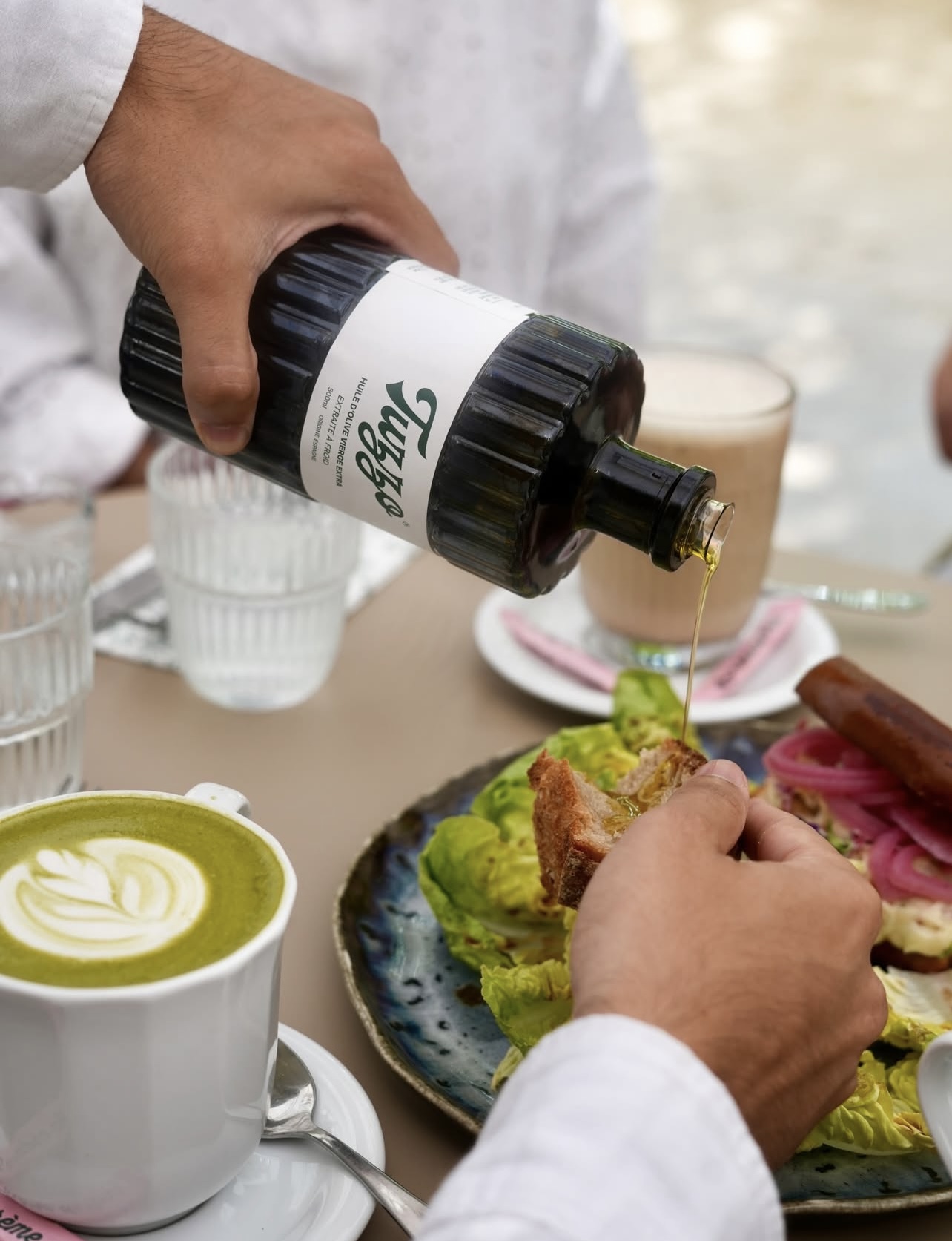
Precision is the hallmark of quality. At TUZZO, we believe that more is not always better; better is better. When discussing health, the question is rarely about the liquid itself, but the concentration of its life-sustaining compounds.
The quest to find the perfect olive oil daily dose is not a modern trend. It is an exploration of longevity. To consume oil is to consume sunlight, transformed through the ancient chemistry of the olive tree. However, for those seeking the maximum biological return, we must look toward the data.
The Quantitative Baseline: The Optimal Daily Intake
Decades of nutritional research, most notably the PREDIMED study and various Harvard-led cohorts, have narrowed down the range. To understand how much olive oil per day is necessary for cardiovascular protection, we look to the 20 to 50-gram window.
Specifically, the FDA and European health authorities suggest that just two tablespoons of olive oil per day can significantly improve heart health. It is the minimum threshold required to initiate the defense of your endothelium.
When you consume high-quality fat, you are not simply adding calories. You are signaling to your cells. This signaling requires a consistent volume. For most adults, 2 to 4 tablespoons of extra virgin olive oil represents the golden ratio: enough to saturate the body with polyphenols without displacing other essential nutrients.
Consistency Over Volume
The body responds to rhythm. A large dose once a week is a shock; a measured dose each morning is a transformation. It is this daily ritual that builds the cumulative extra virgin olive oil benefits that researchers document over years, not days.
Clinical Motivations: Why the Dose Matters
Every tablespoon of TUZZO is a vehicle for bioactive chemistry. The specific amount you ingest dictates the depth of the physiological response.
Lipid Profiles and Heart Structure
The most cited reason for a higher daily intake is the management of lipids. Science has shown that high-phenolic oils do more than just lower LDL; they change the quality of the particles. Referencing the data on olive oil and cholesterol, we see that 2 tablespoons per day helps prevent the oxidation of LDL, which is the true driver of arterial plaque.
Inflammatory Markers
If you are addressing chronic systemic inflammation, your dose may need to be on the higher end of the spectrum. The concentration of oleocanthal mimics the action of ibuprofen in small, cumulative amounts. Understanding the relationship between olive oil and inflammation allows one to see the oil as a preventative tool rather than a mere garnish.
Blood Sugar and Metabolism
For those monitoring glucose, timing is as vital as volume. Incorporating olive oil into a carbohydrate-rich meal slows gastric emptying. This is a foundational tactic discussed in our guide on olive oil and diabetes. A single tablespoon can flatten a glucose spike. For systemic issues, the consistent daily dose is a pillar in managing metabolic syndrome science.