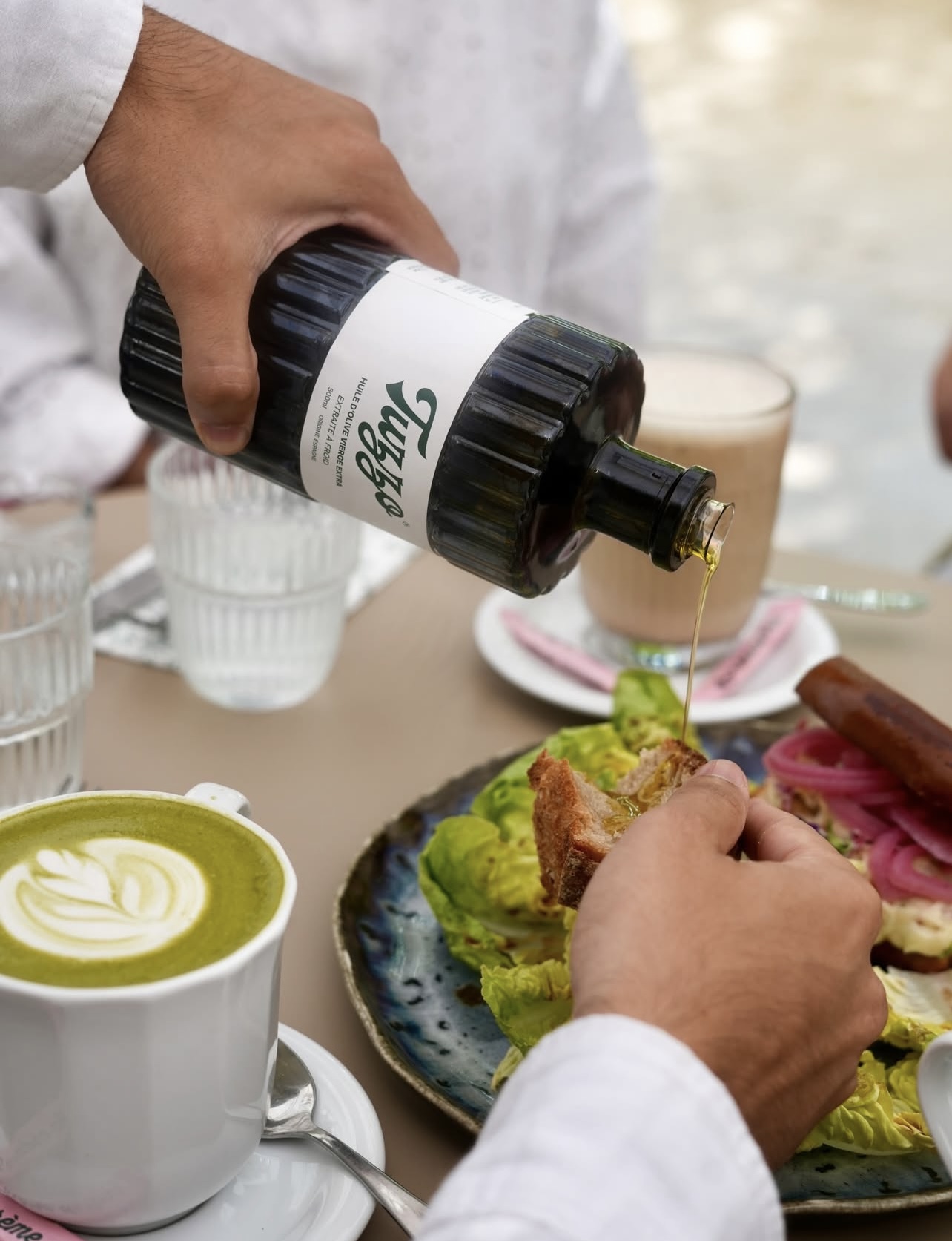
Extra virgin cuts type 2 diabetes risk by 40% and lowers HbA1c. What science actually shows, and how to use it.
Olive Oil and Diabetes: Real Effect on Blood Sugar and Insulin
30-second summary: extra virgin olive oil doesn't "cure" diabetes, but it's one of the most documented foods for preventing and better managing it. PREDIMED showed –40% risk of type 2 diabetes in people consuming > 50 g/day of extra virgin. In diabetics, it lowers HbA1c by 0.3–0.4 points and post-meal blood sugar by 20–30%, by improving insulin sensitivity through oleic acid and polyphenols.
How olive oil acts on blood sugar
Three proven mechanisms:
- Slows gastric emptying: fat slows carbs entering the gut → flatter blood sugar spike.
- Improves insulin sensitivity: oleic acid changes cell membrane composition and eases glucose entry.
- Lowers chronic inflammation (oleocanthal, hydroxytyrosol) — inflammation drives insulin resistance.
The studies that matter
PREDIMED (NEJM 2014, Salas-Salvadó)
3,541 high cardiovascular risk adults, no diabetes at baseline. After 4 years, the "Mediterranean diet + extra virgin olive oil" group had 52% less type 2 diabetes vs low-fat diet. Dose effect: the more olive oil consumed, the lower the risk.
Schwingshackl meta-analysis (2017, Nutrition & Diabetes)
29 studies: regular olive oil intake (≥ 15-20 g/day) cuts diabetes risk by 16% in the general population, more in at-risk individuals.
HbA1c effect (Carnevale 2018, Diabetes Care)
25 type 2 diabetics: 10 g extra virgin added to a standard meal → post-prandial blood sugar down 20% and lower plasma insulin. Over 8 weeks, HbA1c down 0.3–0.4 points.
The effective dose
| Profile |
Daily extra virgin |
| Prevention (at-risk) |
20-30 g (2-3 tbsp) |
| PREDIMED profile (max effect) |
40-50 g (4 tbsp) |
| Type 2 diabetic |
20-30 g, spread across carb meals |
See our guide: How much olive oil per day? What science says.
How to use it as a diabetic
- On every carb meal. 1 tbsp on rice, pasta, salad. This is the move that flattens the spike.
- Swap, don't add. Butter, margarine, sunflower oil → olive oil.
- Raw first. Polyphenols suffer with heat.
- Bread + olive oil instead of bread + jam in the morning: far steadier blood sugar.
Why extra virgin — not "light"
The anti-inflammatory and insulin-sensitizing effect comes from polyphenols (hydroxytyrosol, oleocanthal). Refined oil has almost none left. You keep the calories, you lose the metabolic effect.
Picking an oil that actually moves blood sugar
- Extra virgin on the label
- Early harvest (October-November) — more polyphenols
- Dark bottle, harvest < 18 months
- A peppery throat sting: active oleocanthal
Full guide: How to choose olive oil in 2026. Our oils: TUZZO shop.
Limits to know
- Olive oil does not replace metformin, insulin, or medical follow-up.
- It does not offset excess sugar or ultra-processed food.
- 180 kcal per 2 tbsp: substitute, don't stack — especially with overweight.
- Possible additive hypoglycemic effect with some medications: flag very high intake to your doctor.
FAQ
Does a tbsp before a meal lower blood sugar? Yes, modestly, especially if the meal is high in fast carbs.
Olive oil on empty stomach for diabetes? No proven advantage over meal-time intake. See Olive oil + lemon for liver detox.
Compatible with metformin? Yes. Additive effect, no known interaction.
What about the cholesterol that comes with diabetes? Documented positive effect: see Olive oil and cholesterol.
Sources: Salas-Salvadó (NEJM 2014, PREDIMED) · Schwingshackl (Nutrition & Diabetes 2017) · Carnevale (Diabetes Care 2018) · EFSA Journal 2011;9(4):2033.
Pour sublimer vos assiettes, nous utilisons notre huile d'olive Coratina des Pouilles, pressée à froid et biologique.